



ENVOY Proxy versus Loadbalancer.org: Why storage vendors need purpose-built load balancing for S3, NFS, and SMB
Envoy was never optimized for sustained, high-throughput, state-aware storage traffic across multiple protocols simultaneously...

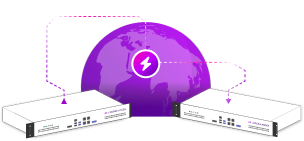
Nail multi-site resilience and global uptime with these expert insights. Learn how an intelligent Global Server Load Balancing solution ensures seamless disaster recovery, routes users to the nearest data center, and keeps traffic local to reduce WAN costs.
Envoy was never optimized for sustained, high-throughput, state-aware storage traffic across multiple protocols simultaneously...

By combining the two technologies, this unified solution addresses a critical gap...
Choosing the right load balancer is about much more than just moving traffic...
Don't wait for the next outage to expose gaps in your critical architecture...
Connecting remote sites to central data centers necessitates GSLB. But implementation for legacy modalities isn't straightforward...
DNS is a naming convention that translates human-readable web addresses into IP-addresses, and vice versa...
Global Server Load Balancing (GSLB) enables you to distribute internet or corporate network traffic across servers in multiple locations, anywhere in the world...
I've been repeatedly asked how our load balancers scale. So, I have decided to write down your options for endlessly scalable, high-performance load balancing...
We do a lot of work with object storage solution providers, and one of the main concerns that they have is throughput...
Round-robin DNS is a technique that distributes traffic across multiple servers by rotating through a list of IP addresses associated with a single hostname...
The first question we always ask our customers is: "are you looking for performance, reliability, maintainability — or all three?"..
In the load balancing world active/active has multiple meanings. And once you've got that hurdle out the way, you need to then work out whether you actually need it...